Converging Mobile Payments Forge Unified Loyalty Paths from Slots to Cards and Sports Bets
Quinn Brooks · May 19, 2026
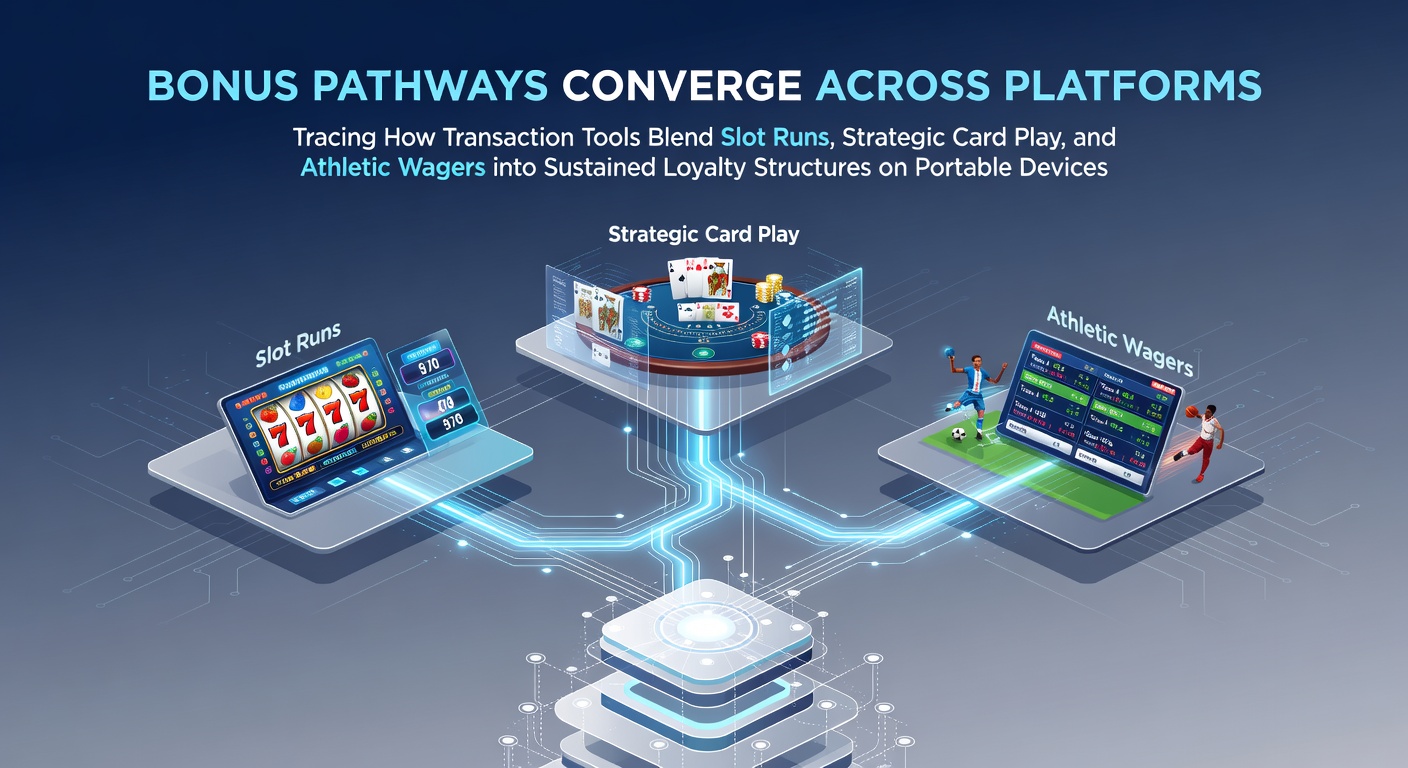
Converging Mobile Payments Forge Unified Loyalty Paths from Slots to Cards and Sports Bets
Transaction tools on portable devices now link slot sequences, card strategy sessions, and sports wagers into single loyalty frameworks that advance players across multiple game types without separate accounts or repeated signups. Operators deploy unified payment gateways that record every deposit and wager in real time, converting activity from one category straight into progress toward shared reward tiers. Data from industry trackers indicate that cross-platform systems handled over 62 percent of mobile gaming transactions in early 2026, a rise from 41 percent two years earlier.
Payment Rails That Span Game Categories
Digital wallets and instant bank transfers serve as the common layer that feeds activity into loyalty engines regardless of whether a user spins reels, plays strategic hands, or places athletic bets. When a deposit clears on a mobile app, the same balance powers all three areas while the backend tallies points that count toward elite status. Researchers at the University of Nevada Reno Gaming Innovation Lab documented that operators using single-ledger payment systems saw average session length increase by 28 percent compared with fragmented platforms.
Players move between categories inside one interface, and the transaction record updates the loyalty meter continuously. A quick deposit made during a live sports event can immediately unlock a card-game multiplier that later applies to slot free spins. This seamless flow removes friction that once forced separate bonus claims for each vertical.
Loyalty Structures Built on Combined Activity
Modern programs calculate tier advancement from total handle across slots, table games, and sportsbooks rather than isolating each product. Points accrue from wager volume, time spent, and deposit frequency, then convert into cashback, exclusive events, or accelerated bonus rates. Figures released by the American Gaming Association show that mobile users who engage with at least two product types reach top loyalty tiers 34 percent faster than single-product participants.
In May 2026 several major platforms introduced dynamic point multipliers that activate when a player switches from slots to live dealer tables within the same hour. The feature automatically registers the transition through the shared payment rail and applies the bonus without additional prompts. Observers note that these mechanics encourage sustained engagement across the full suite of offerings rather than isolated play sessions.
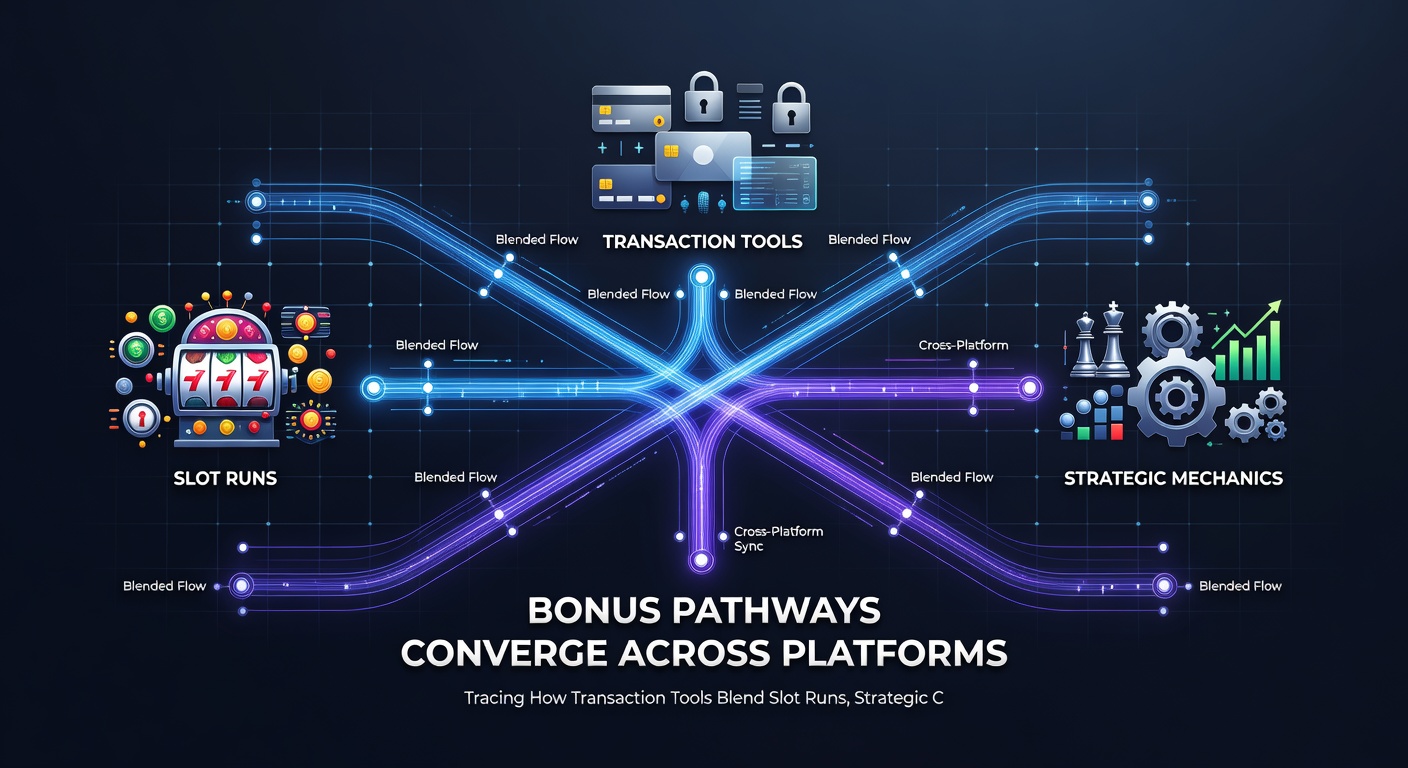
Real-World Implementation Patterns
One European operator rolled out a unified mobile wallet in late 2025 that lets users deposit once and immediately access slot runs, blackjack tables, and in-play sports markets. The system tracks every transaction against a central loyalty profile, issuing tier upgrades when cumulative activity hits preset thresholds. Internal metrics shared at industry conferences revealed a 19 percent lift in monthly active users within the first quarter after launch.
North American platforms followed similar paths by integrating sportsbook odds directly into the same deposit flow used for table games. A deposit intended for football wagers can trigger slot bonus credits if the user has already reached a mid-tier loyalty level. Analysts tracking these integrations report that average revenue per user climbed steadily as players explored more categories through the shared interface.
Regulatory Context and Compliance Trends
Authorities in multiple jurisdictions now require clear disclosure of how loyalty points convert across product lines when payments originate from a single source. Canadian provincial regulators updated guidance in spring 2026 to mandate real-time reporting of cross-category point transfers. Similar expectations emerged from Australian oversight bodies, which asked operators to demonstrate that bonus structures do not inadvertently favor one game type over others.
These rules focus on transparency rather than restricting the underlying technology. Compliance teams embed audit logs inside the payment systems so regulators can verify that points reflect actual play across slots, cards, and sports wagers without hidden weighting.
Future Trajectory Through Mid-2026
Industry forecasts anticipate further consolidation of payment and loyalty layers as 5G coverage expands and biometric authentication becomes standard for mobile deposits. Projections from research firms suggest that by the end of 2026 more than three-quarters of loyalty redemptions will stem from combined activity rather than single-product volume. The infrastructure already in place supports this shift through standardized APIs that connect wallets, game servers, and reward engines.
Conclusion
Mobile transaction tools have evolved into the connective tissue that blends slot sequences, strategic card sessions, and athletic wagers into durable loyalty structures. Unified ledgers record activity across categories, convert it into shared progress metrics, and deliver tier benefits without forcing users to navigate separate systems. Regulatory updates in Canada and Australia emphasize transparency while the underlying technology continues to streamline the player journey on portable devices.