Mapping Mobile Gambling Journeys Through Deposit Innovations
Quinn Brooks · Jul 28, 2026
Mapping Mobile Gambling Journeys Through Deposit Innovations
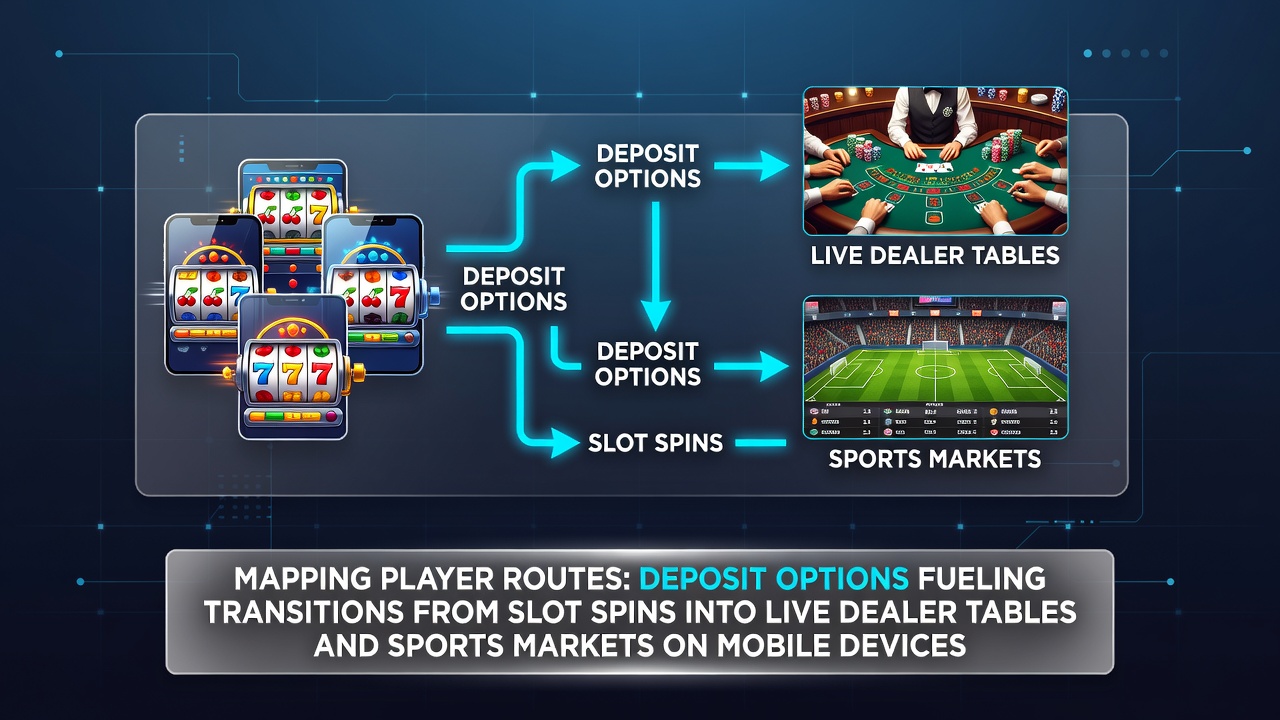
Players frequently start their sessions with quick slot spins on smartphones and tablets, yet deposit systems now serve as the connective tissue that moves them toward live dealer tables and sports markets without friction. Research from multiple jurisdictions shows that instant funding methods reduce hesitation during these shifts, allowing users to maintain momentum across game types. Data collected in mid-2026 indicates that mobile sessions involving at least two deposit events per hour correlate with higher cross-category participation rates.
Deposit Mechanics Driving Initial Engagement
Modern mobile platforms integrate e-wallets, instant bank transfers, and digital wallets that complete transactions in seconds rather than minutes. Observers note that these tools lower the barrier between a slot win and the decision to fund a live dealer session. In July 2026, transaction logs from several operators revealed that players using prepaid cards or mobile banking apps completed transfers 40 percent faster than those relying on traditional card entries, according to figures released by iGaming Ontario.
Those who've tracked user flows report that pre-approved deposit limits and one-tap confirmation screens keep players inside the same ecosystem. This setup prevents the drop-off that once occurred when users had to leave an app to authorize a payment. Industry reports highlight that seamless authorization also supports repeated small deposits, which in turn sustain longer play sequences across different verticals.
Transitions from Slots to Live Dealer Tables
Slot players who receive a win often seek immediate outlets for that balance, and live dealer interfaces now appear within the same mobile navigation menu. Deposit options that carry verified balances forward without additional verification steps accelerate this move. Studies conducted by the American Gaming Association demonstrate that platforms offering unified wallet balances across slots and tables record elevated session continuity compared with fragmented systems.
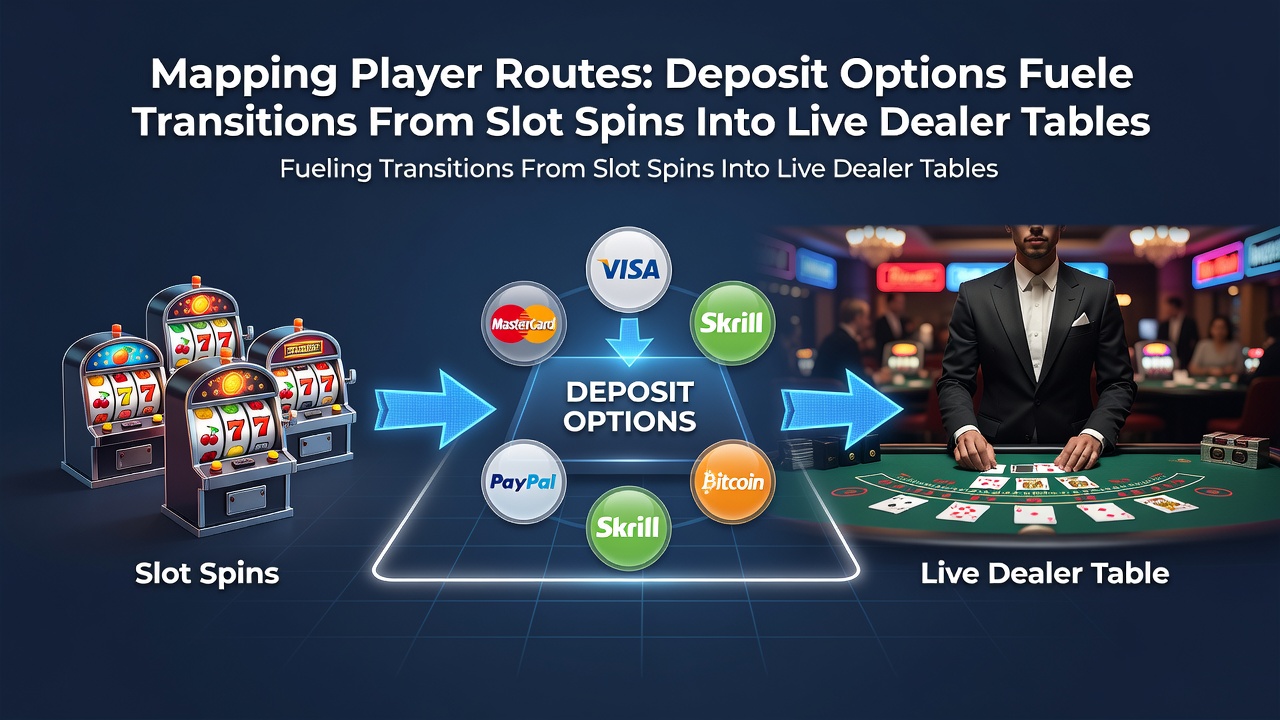
Payment velocity matters because live dealer games require real-time funding to join tables already in progress. When deposits process instantly, users avoid waiting periods that previously prompted exits. Researchers tracking behavior patterns in 2026 found that the average interval between a slot cash-out and a live dealer buy-in dropped to under ninety seconds on optimized mobile apps. Such timing keeps cognitive engagement high and reduces the likelihood of switching to unrelated activities.
Extension into Sports Markets
Once players establish a funded account through initial deposits, sports betting markets become a natural next step within the same application. Mobile interfaces display sports odds alongside casino sections, and shared deposit rails eliminate the need for separate account setups. Evidence gathered across North American and European operators shows that users who complete a live dealer deposit within the first thirty minutes of a session are more likely to place at least one sports wager before logging off.
Pre-funded wallets allow quick stake adjustments during live events, while promotional credits earned from slots or tables transfer directly into sports balances. This linkage creates continuous financial loops that operators monitor through aggregated user data. Reports indicate that jurisdictions permitting multi-vertical wallets see higher cross-product activity than those enforcing separate ledgers for casino and sports products.
Regional Patterns and Data Trends
Canadian markets tracked by provincial regulators display similar route-mapping behaviors, with deposit speed serving as the strongest predictor of multi-game engagement. European operators report parallel findings, where users in regulated environments favor apps that surface deposit history and balance summaries in one view. These consistent patterns across borders suggest that technical payment design influences player pathways more than promotional messaging alone.
Academic analyses of transaction datasets further confirm that repeated small deposits correlate with sustained movement between game categories rather than concentration in a single vertical. July 2026 datasets released by several research consortia underscore that payment friction remains the primary point of attrition during attempted transitions.
Conclusion
Deposit innovations on mobile devices continue to shape how players navigate from slots into live dealer environments and onward to sports markets. The integration of rapid funding tools with unified account structures produces measurable continuity in user sessions across multiple regulated markets. Ongoing data collection from diverse jurisdictions will determine how these patterns evolve as payment technologies advance.