Mapping the Digital Routes: Connecting Blackjack, Poker, and Live Dealer Play to Loyalty Progression
Yara Beck · May 23, 2026
Mapping the Digital Routes: Connecting Blackjack, Poker, and Live Dealer Play to Loyalty Progression
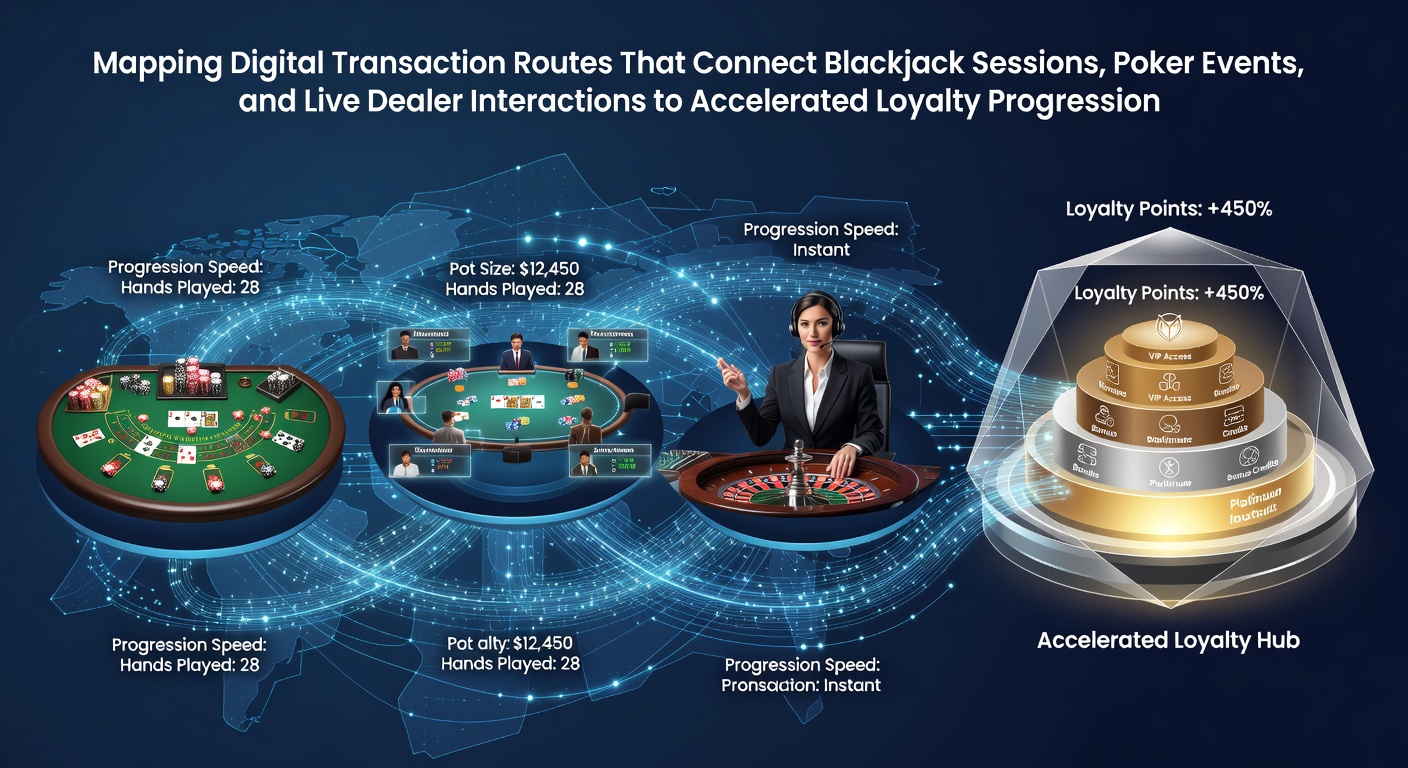
Digital transaction routes in casino environments track funds from blackjack sessions through poker events and live dealer interactions straight into loyalty programs, where points accumulate at different rates depending on game type and payment method. These pathways rely on integrated payment processors that log each deposit, wager, and withdrawal while assigning corresponding loyalty values in real time. Observers note that systems often categorize transactions by game category so blackjack hands, poker tournament entries, and live dealer rounds contribute separately yet feed into one unified player profile.
How Transaction Mapping Works Across Game Types
Payment gateways record every deposit linked to a specific game session and apply multipliers based on activity level, whereas loyalty engines convert those wagers into points using predefined formulas. Blackjack sessions typically route through standard table game ledgers that flag each hand total, while poker events pass through tournament management modules that separate buy-ins from cash game contributions. Live dealer interactions add another layer because video streams pair with real-time betting data, allowing systems to capture both the timing and size of each wager before pushing the information to the central loyalty database.
Data from the International Gaming Institute shows that unified tracking platforms reduce discrepancies between game-specific ledgers and overall loyalty tallies, especially when players switch between blackjack, poker, and live dealer formats within the same session. Those platforms timestamp each transaction so operators can verify that a deposit made for a poker tournament later supports live dealer play without resetting the loyalty clock.
Blackjack Sessions and Their Route to Loyalty Credits
Blackjack deposits usually enter through instant banking channels that immediately tag the funds for table game use, after which the system assigns base loyalty points per wagered amount. When players increase their bet sizes mid-session, the route updates automatically so additional points flow into the accelerated tier faster. Researchers have documented that certain processors split blackjack transactions into mini-batches every few hands, which speeds up point posting compared with end-of-session batching used in other games.
Poker Events and Cross-Game Loyalty Flow
Poker tournament entries follow a distinct route that first validates the buy-in against tournament software before routing a percentage of the fee into the loyalty pool. Cash game rakes generate separate streams that accumulate more slowly yet still connect to the same player account. Observers note that when poker players move winnings directly into blackjack or live dealer tables, the original poker transaction identifier travels with the funds, preserving the loyalty history across game boundaries.
Live Dealer Interactions and Real-Time Tracking
Live dealer platforms combine video feeds with payment rails so each bet registers instantly and loyalty points post within seconds of the outcome. This real-time element distinguishes live dealer routes from delayed batch processes common in poker and blackjack environments. In May 2026 several platforms introduced enhanced timestamping that links live dealer wagers to prior blackjack and poker activity, allowing operators to identify patterns where players accelerate loyalty through rapid game switching.
Integration Points That Speed Loyalty Progression
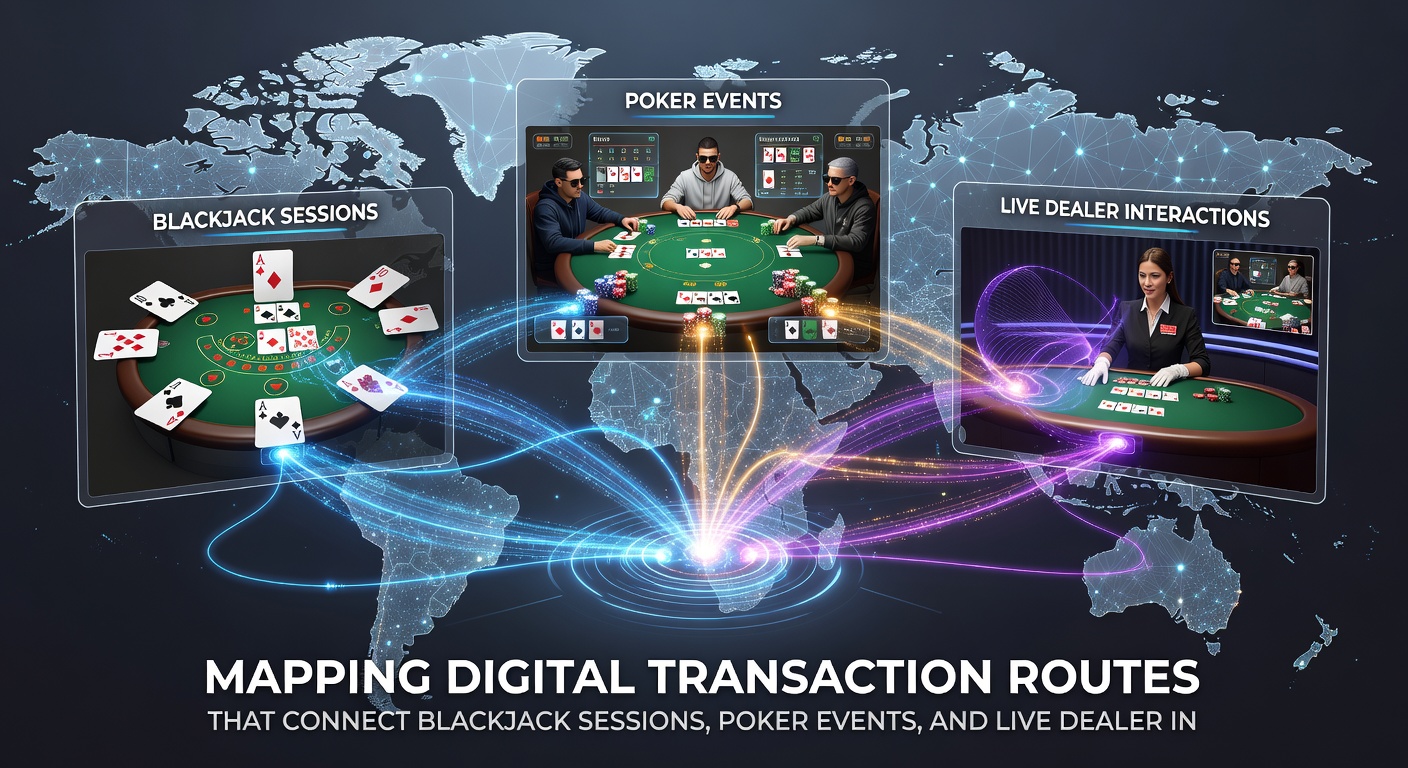
Centralized loyalty engines serve as the convergence point where blackjack, poker, and live dealer transaction streams merge. These engines apply tiered multipliers that reward consistent cross-game activity, so a player who deposits for blackjack, enters a poker event, and then joins live dealer tables within a short window receives compounded points. Industry reports from Gambling Research Australia indicate that such integrated mapping reduces the average time required to reach mid-tier loyalty status by aligning transaction timestamps across all three game categories.
Payment velocity also influences route efficiency because instant deposits bypass manual verification steps that otherwise slow point allocation. When funds move directly from a poker cash-out into a live dealer session, the system recognizes the continuous activity and applies the higher loyalty rate without requiring a new deposit verification cycle.
Conclusion
Transaction mapping systems continue to evolve so that blackjack sessions, poker events, and live dealer interactions contribute to loyalty progression through clearly defined digital routes. These routes rely on timestamped payment data, game-specific ledgers, and unified loyalty engines that convert wagers into points while preserving cross-game continuity. As platforms refine their tracking capabilities, the connections between different table game activities and accelerated loyalty milestones become more precise and measurable.