Mobile Transaction Flows Drive Cross-Game Reward Chains from Deposits to Tables and Sports Wagers
Greta Perry · Aug 18, 2026
Mobile Transaction Flows Drive Cross-Game Reward Chains from Deposits to Tables and Sports Wagers
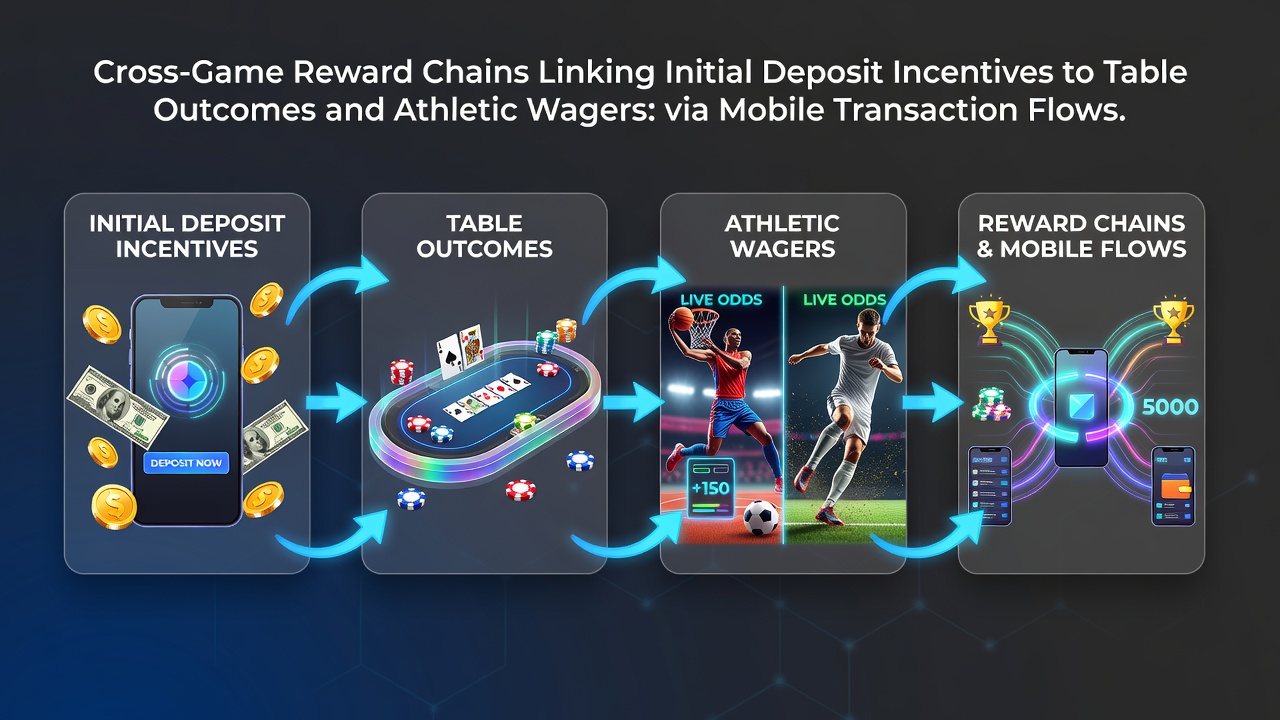
Platforms integrate initial deposit incentives into broader reward structures that extend across table outcomes and athletic wagers through mobile transaction flows, and operators track these chains via unified ledgers that update in real time. Data shows deposit bonuses often convert into playable credits that carry over when users switch from slots to blackjack or roulette, while similar mechanics route portions of those credits toward sports betting markets on the same application.
Mechanics Behind Deposit Incentives and Reward Progression
Initial deposits trigger tiered incentives that platforms assign based on transaction size and payment method, and these credits activate once the user completes a first wager on any qualifying game. Observers note that mobile systems log each step so credits remain valid when players move between verticals, whereas desktop versions sometimes require separate verification steps that slow the process. Researchers at the University of Nevada Reno documented similar patterns in a 2025 study of integrated betting applications, where deposit-linked bonuses reached table games within the same session 78 percent of the time.
Payment velocity matters because faster confirmations allow credits to appear before the user logs out, and this reduces friction that might otherwise break the chain. Figures from the American Gaming Association reveal that mobile deposit times averaged under eight seconds across major operators in early 2026, a pace that supports continuous play across multiple categories.
Extension to Table Game Outcomes
Once deposit incentives reach table sections, outcomes determine whether credits multiply or convert into additional bonuses, and live dealer interfaces display updated balances after each hand or spin. Systems apply multiplier rules when users achieve consecutive wins on blackjack or baccarat, while losses sometimes trigger fallback credits that still link forward to sports sections. Mobile transaction logs capture these results so the same session history feeds eligibility for later athletic wagers without manual transfers.
Connection to Athletic Wagers via Unified Ledgers
Athletic wagers receive portions of accumulated credits when table results meet preset thresholds, and operators route these funds through the same mobile wallet that handled the original deposit. One platform reported in August 2026 that 62 percent of users who started with a deposit bonus placed at least one sports bet within four hours, a statistic drawn from internal session data. The flow works because the ledger treats credits as interchangeable across verticals, although wagering requirements differ by game type and market.
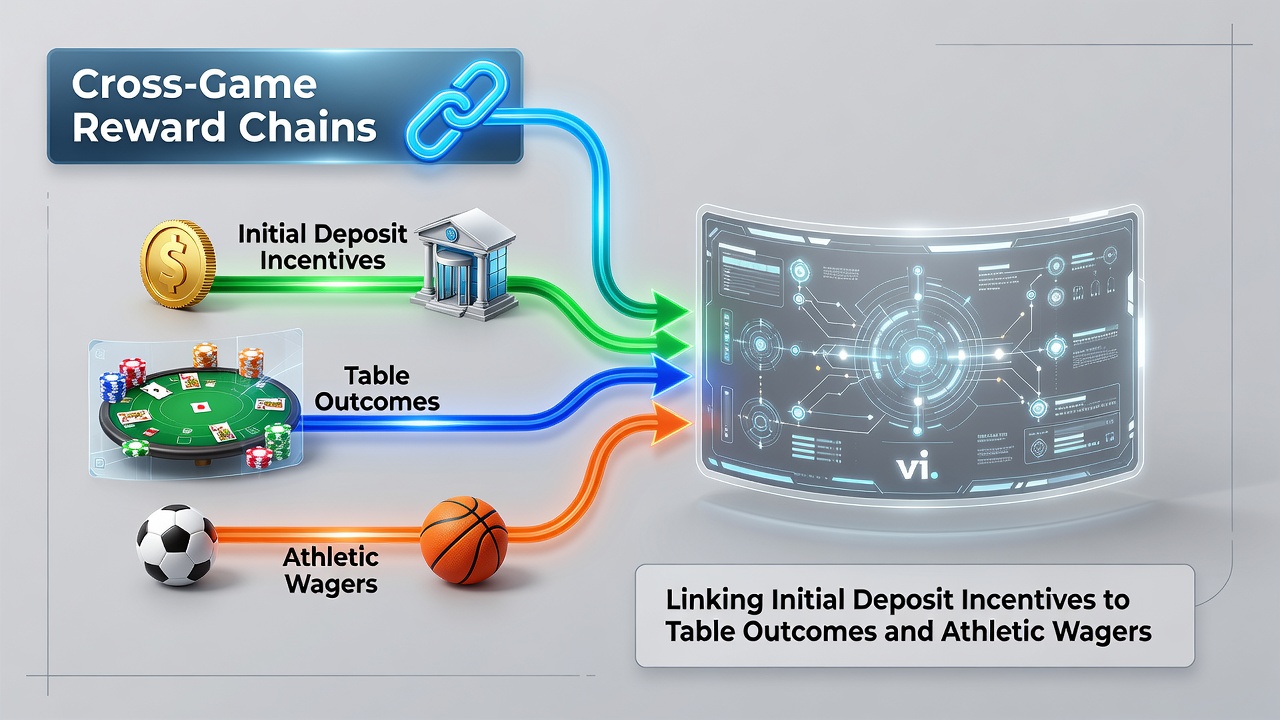
Transaction records also feed loyalty algorithms that adjust future incentive sizes, and users who complete cross-game sequences often receive elevated deposit matches on their next reload. Malta Gaming Authority guidelines require clear disclosure of these conversion rates so players understand how table outcomes influence sports betting eligibility.
Technical Infrastructure Supporting the Chains
Application programming interfaces connect the deposit processor, game servers, and sports betting engine so credits move without user intervention, and encryption standards protect each step of the mobile flow. Updates deployed in mid-2026 introduced real-time reconciliation that flags discrepancies within seconds, reducing disputes over chained rewards. Those who study these systems observe that latency below 200 milliseconds keeps players engaged when switching from a roulette table to a soccer accumulator.
Security protocols require two-factor confirmation on larger transfers between verticals, yet the process remains invisible to the user in most cases. Industry reports indicate that such measures have lowered chargeback rates by 14 percent compared with earlier non-integrated platforms.
Conclusion
Cross-game reward chains now rely on mobile transaction flows that link initial deposits directly to table outcomes and athletic wagers, and regulatory frameworks in multiple jurisdictions continue to shape how operators disclose these mechanics. The structure allows credits to travel across categories while maintaining audit trails that satisfy compliance standards. As platforms refine these connections, transaction data becomes central to both player progression and operational reporting.