Pathways in Mobile Gaming: From Entry-Level Transactions to Elite Memberships
Greta Perry · Jun 30, 2026
Pathways in Mobile Gaming: From Entry-Level Transactions to Elite Memberships
Portable gaming platforms have developed structured transaction systems that guide users from initial free access points toward sustained premium engagements, and these mechanisms rely on layered payment options combined with progressive rewards. Data from industry analyses indicate that mobile game revenues reached significant milestones by early 2026, driven largely by in-app purchase sequences that begin with low-commitment offers and escalate through repeated interactions.
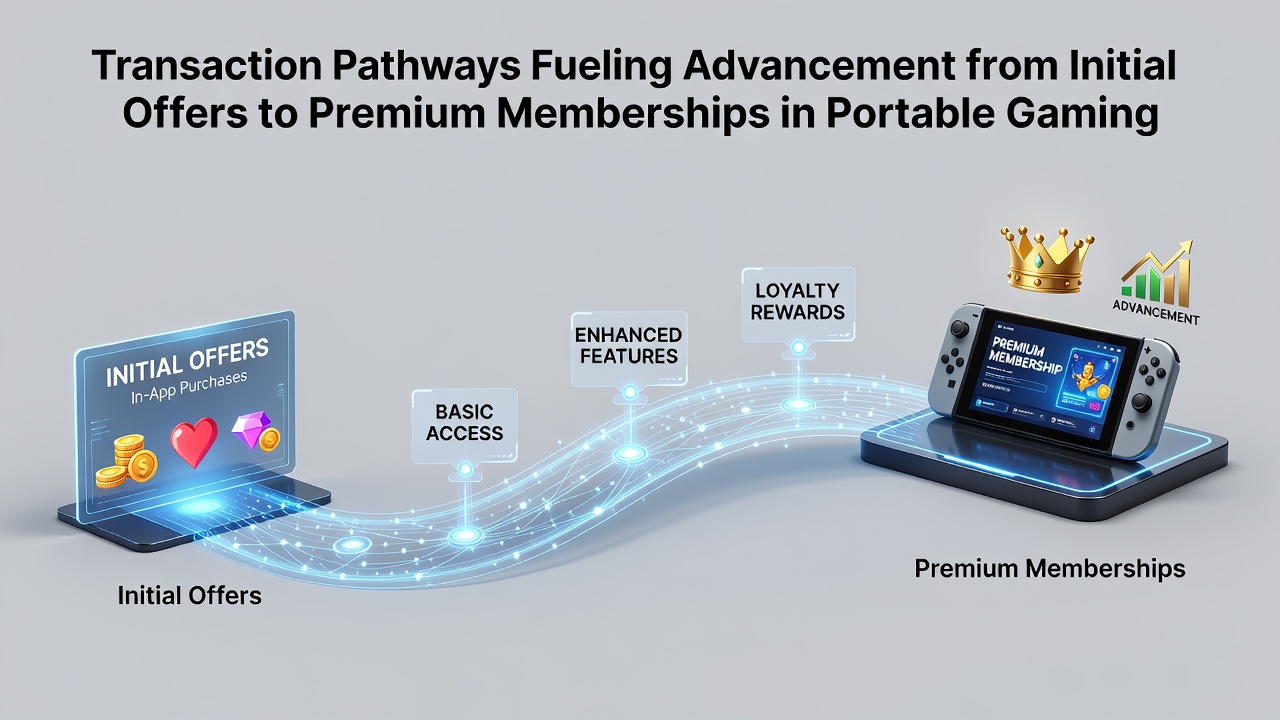
Initial offers typically include starter packs or limited-time free items that appear immediately after download, and these elements introduce players to core mechanics while collecting basic payment details for future steps. Researchers at academic institutions have documented how such entry points reduce barriers for new users, allowing seamless transitions when players decide to expand their experience beyond the free tier.
Core Mechanics of Early Transaction Stages
Payment gateways integrated into app stores facilitate quick conversions from free trials to paid content, and observers note that common pathways involve one-time purchases for cosmetic upgrades or resource boosts that maintain engagement without requiring full subscriptions. Studies from research groups show participation rates climbing when these early transactions align with user progress milestones, creating natural momentum toward higher-value options.
Portable devices support multiple payment methods including carrier billing and digital wallets, which streamline the process and encourage repeat activity across sessions. Evidence from market reports reveals that games employing these varied entry points see higher retention metrics compared to those relying solely on advertisements.
Advancement Through Tiered Membership Structures
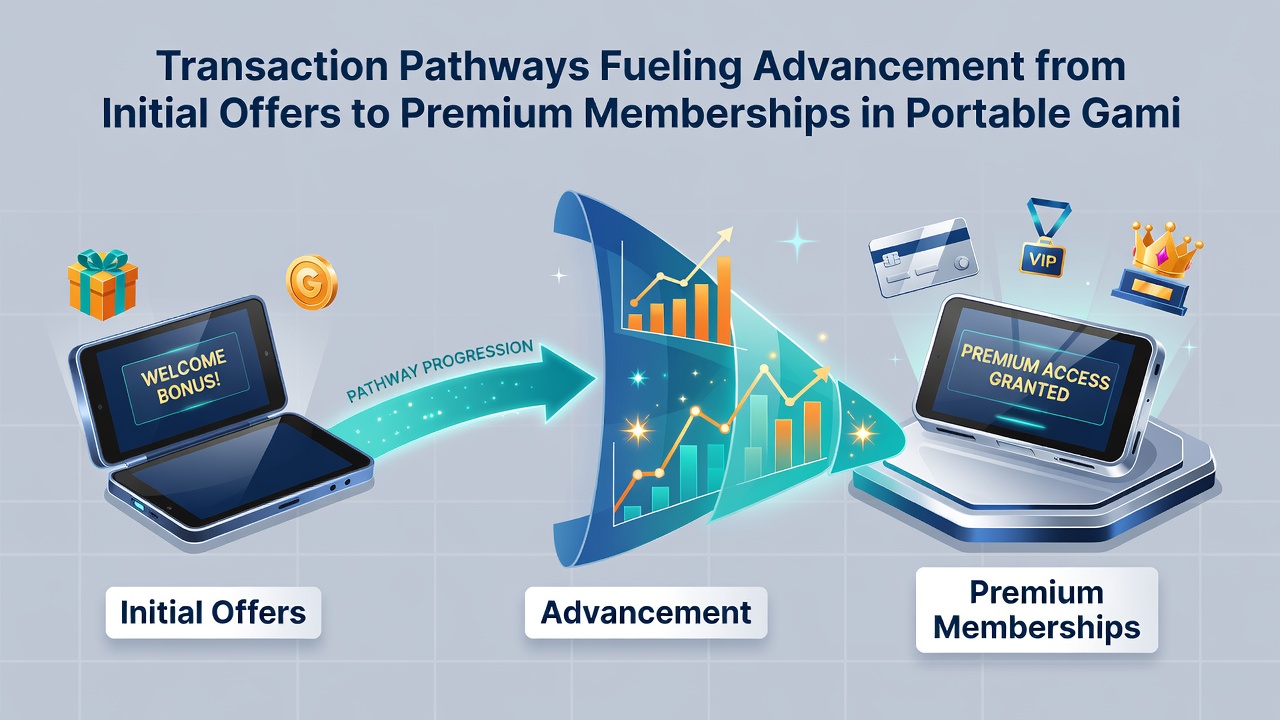
Premium memberships emerge as users accumulate spending history, and systems automatically unlock enhanced features such as ad removal, exclusive content, or priority support once certain thresholds are met. Industry data collected through 2025 and into June 2026 highlights steady growth in subscription models within the mobile sector, with pathways often linking initial microtransactions directly to recurring billing cycles.
One study revealed that cross-game loyalty programs, where spending in one title contributes toward benefits in another, accelerate this advancement and create interconnected ecosystems. Those who've examined these models find that players frequently progress along predictable routes when reward structures scale in proportion to transaction volume.
Regulatory frameworks outside traditional gambling oversight, such as those monitored by bodies like the Australian Competition and Consumer Commission, ensure transparency in how these pathways disclose costs and renewal terms. This oversight helps maintain trust while supporting continued innovation in monetization techniques.
Role of Data and Personalization in Sustaining Momentum
Analytics tools track user behavior to tailor subsequent offers, and this personalization connects early transactions to premium upgrades through targeted notifications that appear at optimal moments. Figures from entertainment software associations indicate that games utilizing behavioral data achieve stronger conversion rates from casual participants to committed members.
Payment velocity plays a notable part here, since faster processing times reduce friction and allow players to move quickly between tiers without interruption. What's interesting is how developers integrate these elements across genres, from puzzle titles to action adventures, adapting the same foundational pathways to different audience preferences.
Academic papers on digital economies have explored similar patterns, noting that successful transitions depend on balancing immediate gratification with long-term value propositions. External sources such as reports from the Entertainment Software Association provide broader context on how these dynamics operate across global markets.
Future Considerations for Portable Gaming Economies
Updates to app store policies and device capabilities continue to shape available transaction options, and developments anticipated around mid-2026 may introduce new verification methods that further secure these pathways. Observers note consistent evolution in how initial offers feed into premium structures without disrupting core gameplay loops.
Industry organizations track these shifts through aggregated revenue statistics, revealing sustained interest in models that reward incremental spending. This approach maintains accessibility while opening routes to advanced memberships for dedicated participants.
Conclusion
Transaction pathways in portable gaming establish clear progressions from starter offers to premium memberships through integrated payment systems and reward scaling. Data shows these structures support ongoing industry expansion while adhering to regulatory standards from various regions, and continued refinement will likely define engagement patterns in coming periods.