Payment Pathways Linking Starter Incentives To Tiered Status In Portable Gaming Environments
Quinn Brooks · Jul 7, 2026
Payment Pathways Linking Starter Incentives To Tiered Status In Portable Gaming Environments
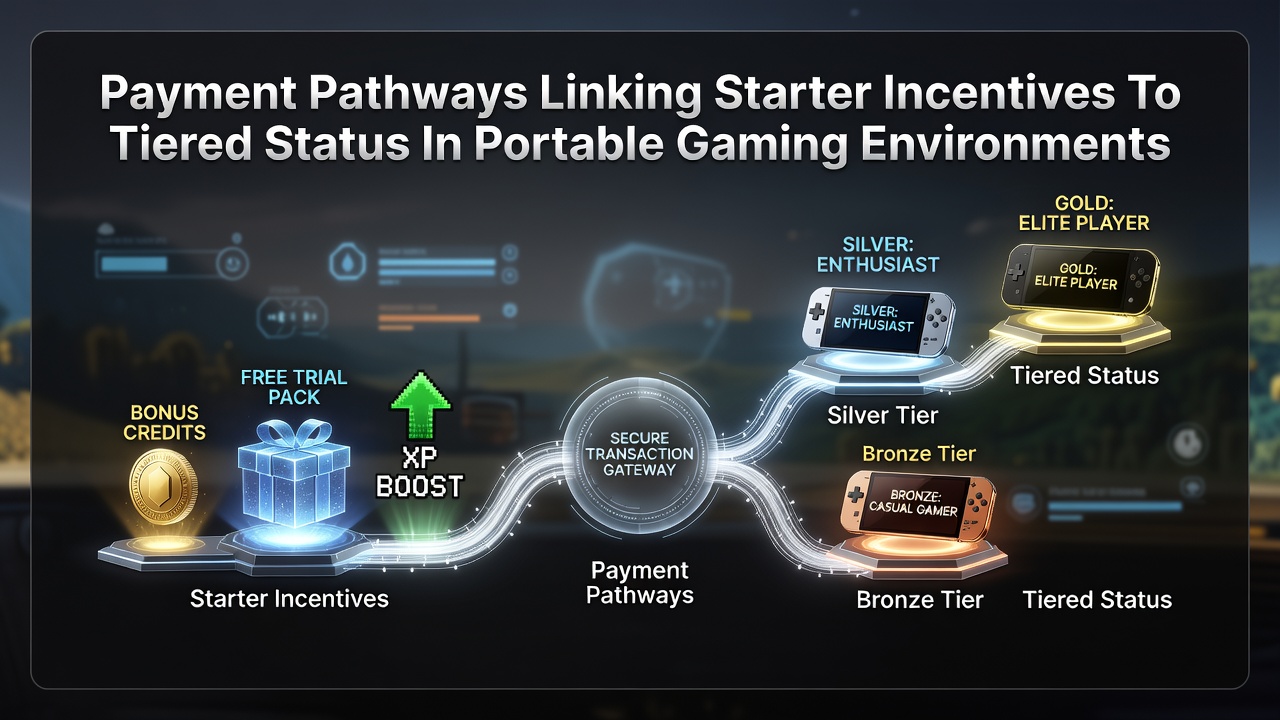
Portable gaming environments have expanded rapidly in recent years as developers integrate payment systems directly into mobile applications and handheld devices. These pathways connect initial incentives such as welcome credits or entry-level rewards with structured tier systems that unlock additional benefits as users advance. Payment processing forms the core mechanism because each transaction records activity that algorithms convert into status points. Developers design starter incentives to encourage first deposits or purchases, and these actions feed into loyalty frameworks without requiring separate enrollment steps. Research from the Entertainment Software Association indicates that over 65 percent of mobile gaming revenue in North America during 2025 stemmed from integrated purchase flows rather than one-time downloads. Such figures highlight how payment velocity influences movement from basic access to elevated tiers.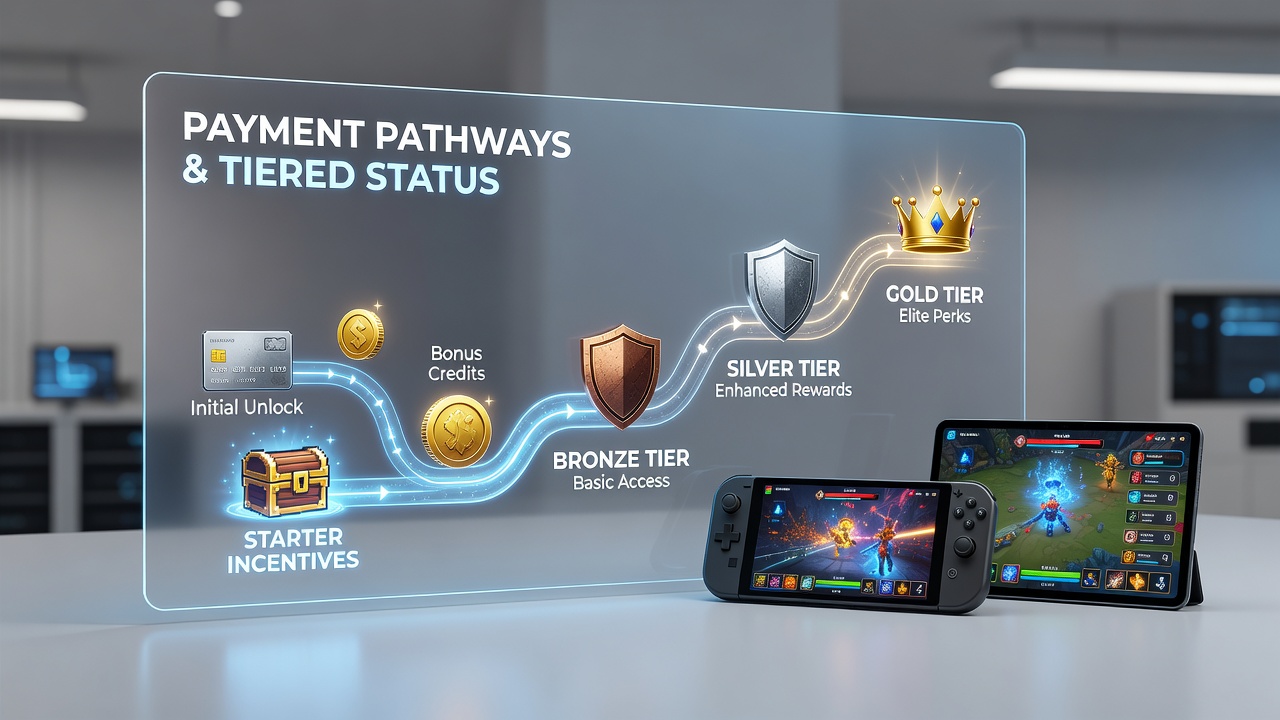
Portable gaming environments have expanded rapidly in recent years as developers integrate payment systems directly into mobile applications and handheld devices. These pathways connect initial incentives such as welcome credits or entry-level rewards with structured tier systems that unlock additional benefits as users advance. Payment processing forms the core mechanism because each transaction records activity that algorithms convert into status points. Developers design starter incentives to encourage first deposits or purchases, and these actions feed into loyalty frameworks without requiring separate enrollment steps. Research from the Entertainment Software Association indicates that over 65 percent of mobile gaming revenue in North America during 2025 stemmed from integrated purchase flows rather than one-time downloads. Such figures highlight how payment velocity influences movement from basic access to elevated tiers.Mechanics of Incentive Integration
Starter offers typically activate upon account creation or an initial transaction, and the payment gateway logs the amount along with frequency data. Systems then allocate points that accumulate toward tier thresholds. For instance a user completing a $10 purchase might receive bonus credits that count toward silver-level status after reaching a cumulative total. Payment providers supply real-time APIs that sync with gaming platforms, ensuring that each deposit or in-app buy triggers immediate status evaluation. This setup eliminates manual reviews and maintains consistent progression across different devices. Observers note that seamless connections between payment rails and tier engines reduce drop-off rates during the early engagement phase.Progression Through Tier Levels
Tier structures in portable environments often follow a ladder pattern where each level demands higher transaction volumes or consistent activity over set periods. Bronze status might require minimal purchases while gold or platinum tiers demand sustained payment patterns combined with gameplay metrics. Algorithms weigh payment size, timing, and variety when calculating advancement. Data collected through these pathways allows platforms to adjust incentives dynamically. A user who shifts from small starter deposits to larger recurring payments can accelerate tier climbs because the system recognizes the increased velocity. Reports from the Canadian Gaming Association show that mobile platforms employing such linked systems recorded a 22 percent rise in average user lifetime value between 2024 and 2025.